SB 326 Compliance Guide for HOAs
Introduction to SB 326 Compliance
In California, SB 326, often called the balcony inspection law, was introduced to help protect residents in multifamily housing communities. The law requires HOAs to inspect all elevated exterior elements, like balconies, decks, stairways, and walkways, to ensure they’re structurally sound and safe for use.
Put simply, SB 326 is about preventing failures before they happen. Over time, exposure to moisture, age, and lack of maintenance can weaken wood framing and waterproofing systems. SB 326 helps identify these issues early, giving HOAs a clear understanding of their property’s condition and any necessary next steps.
While it may sound complex at first, the goal of the law is straightforward: to protect homeowners and residents while promoting responsible property management. Compliance doesn’t just check a legal box; it helps preserve property value, reduce liability, and extend the lifespan of your community’s structures.
In this guide, we’ll break down what SB 326 requires, who it applies to, and how California Deck Inspection helps HOAs stay compliant through efficient, non-invasive inspections that save time and money.
Who Needs to Comply with SB 326
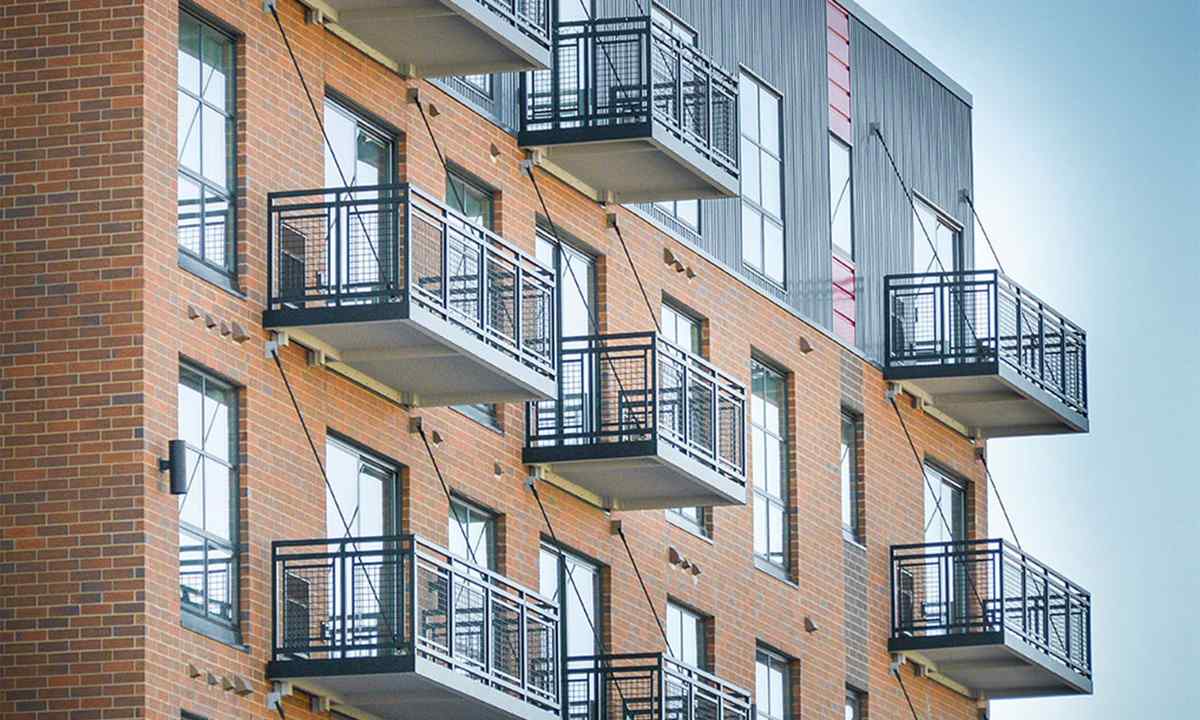
SB 326 applies specifically to Homeowners Associations (HOAs) that oversee condominiums with three or more attached units. If your community includes any exterior elevated elements, like balconies, decks, catwalks, or stairways that are at least six feet above ground and supported by wood or wood-based framing, you fall under this law.
The law doesn’t apply to single-family homes or standalone units without shared structural systems. Instead, it’s focused on multi-unit properties where common-area elements are shared responsibility.
For HOA boards and property managers, this means ensuring that every qualifying structure within the community is inspected by a licensed structural engineer or architect on the required timeline. These professionals evaluate the integrity of framing, connections, and waterproofing systems, then provide a written report for your association’s records.
In short, if your HOA manages buildings with elevated walkways or decks, even if they appear to be in good shape, you’re required to perform inspections under SB 326. Staying ahead of that requirement is key to avoiding liability, insurance issues, or costly emergency repairs down the road.
What SB 326 Requires
Under SB 326, HOAs must have all qualifying exterior elevated elements inspected at least once every nine years by a licensed structural engineer or architect. The purpose is to verify that these structures are safe, properly maintained, and free from conditions that could lead to failure.
The inspection focuses on the load-bearing components, like beams, joists, and supports, along with waterproofing systems that protect them. Inspectors look for signs of damage, decay, or compromised materials that could pose a safety risk. The process includes both visual assessment and, when necessary, limited testing to confirm structural soundness without unnecessary destruction.
Once complete, the inspector must deliver a written report outlining the condition of each inspected element, any recommended repairs, and the overall safety assessment. This report must be kept on file by the HOA and made available to members, buyers, and local building officials upon request.
Failure to comply can result in legal and financial liability for the association, particularly if an accident occurs that could have been prevented through inspection. Keeping these reports current ensures your community remains both compliant and confident in the safety of its structures.
Common Mistakes That Lead to Non-Compliance
Many HOAs don’t intentionally fall out of compliance; it usually happens because of misunderstandings or oversights in how the law is interpreted or applied. One of the most common mistakes is waiting too long to schedule inspections, assuming the deadline is further away than it actually is. Because SB 326 requires inspections every nine years, and the first
round must be completed by the initial due date set for your property, it’s important to plan ahead rather than scramble at the last minute.
Another frequent issue is hiring unqualified inspectors. Only licensed structural engineers or architects can perform SB 326 inspections. Choosing a general contractor or repair company can not only invalidate the inspection but also create a conflict of interest if that company offers repair services tied to their own findings.
Incomplete documentation is another pitfall. Even if inspections are performed, failing to retain the official report or provide it to local authorities when requested can still put your HOA at risk.
Lastly, ignoring minor findings is a mistake that can snowball into costly repairs or safety issues later. Addressing recommended maintenance early helps maintain compliance and avoids the stress and expense of emergency work or legal exposure.
How California Deck Inspection Ensures SB 326 Compliance
At California Deck Inspection (CDI), our goal is to make SB 326 compliance straightforward, accurate, and stress-free for HOA boards and property managers. We focus solely on inspection and reporting, never repairs, so you can trust that our findings are completely independent and unbiased.
Our licensed team, including structural engineers and architects, follows a non-invasive inspection process that minimizes disruption to residents while delivering precise results. Using advanced moisture detection and imaging tools, we can identify potential issues without destructive probing or costly tear-outs.
After the inspection, we provide a comprehensive compliance report that meets all SB 326 requirements. This report includes photo documentation, detailed findings, and clear recommendations if any maintenance or repair work is needed.
CDI also helps clients stay organized and proactive by maintaining records and reminders for future inspection cycles. Our approach saves associations both time and money, ensuring that every inspection not only satisfies the law but also supports the long-term safety and value of your community.
The Difference Between SB 721 and SB 326
While SB 326 and SB 721 are often mentioned together, they apply to different types of properties and have separate compliance rules. Understanding the distinction helps ensure your community follows the right law.
SB 721 applies to apartment buildings, that is, properties owned by a single entity and rented to tenants. SB 326, on the other hand, applies to condominiums and HOAs, where individual units are owned by residents but share responsibility for common-area structures.
The inspection frequency and reporting requirements also differ slightly. Under SB 721, inspections must be completed every six years, while SB 326 inspections are required every nine years. SB 721 reports are submitted to local building departments, whereas SB 326 reports are maintained by the HOA and made available upon request.
In short, SB 721 focuses on landlords, while SB 326 governs HOAs. Both were created to promote safer, longer-lasting buildings, but knowing which one applies to your property ensures the right inspection process, the right documentation, and full legal compliance.
Timeline and Reporting Requirements
For most HOAs, the first round of SB 326 inspections must be completed by January 1, 2026, or nine years after the building’s Certificate of Occupancy, whichever comes later. After that, inspections must be repeated at least once every nine years to stay compliant.
Once an inspection is finished, your association will receive a formal written report prepared by the licensed inspector. This report outlines the condition of all inspected components, identifies any areas of concern, and provides recommendations for maintenance or repair where necessary.
HOAs are required to keep this report on file for at least two inspection cycles and make it accessible to any homeowner, buyer, or local agency upon request. If immediate safety issues are discovered, the inspector must notify the HOA promptly so the board can take corrective action.
Keeping clear documentation and adhering to the nine-year schedule not only fulfills the legal requirement but also helps your board maintain transparency with homeowners and peace of mind about the property’s structural integrity.
Preparing Your HOA for Inspection
Getting ready for an SB 326 inspection doesn’t have to be complicated; it just takes a bit of coordination and planning. The best place to start is by reviewing your property records to identify all the exterior elevated elements that fall under the law. This helps your inspector understand the full scope before they arrive and ensures nothing is overlooked.
Next, communicate early with homeowners and residents. Let them know when inspections will occur and what areas might be temporarily accessed. Setting expectations ahead of time minimizes disruptions and helps build trust within the community.
It’s also smart to gather any prior maintenance or repair documentation related to decks, balconies, or walkways. Inspectors can use this information to get a clearer picture of your property’s history, which can make the process smoother and sometimes even faster.
Lastly, choose an inspection partner who’s transparent, independent, and experienced with HOA compliance. A qualified team will not only handle the inspection itself but also help your board stay organized with reminders and proper recordkeeping. With the right preparation, the process is efficient, straightforward, and leaves your community in full compliance without unnecessary stress.
Why Independence Matters in Compliance
One of the most important factors in choosing an SB 326 inspection partner is independence. Many companies offer both inspection and repair services, but that creates a clear conflict of interest. When the same entity that identifies problems also profits from fixing them, it can raise questions about the objectivity of the findings.
At California Deck Inspection, we take the opposite approach. Our team focuses exclusively on inspection and reporting, not repair work. This ensures that our evaluations are unbiased and based solely on the condition of your property, not on potential repair revenue.
Independent inspections also provide stronger legal protection for your HOA. If issues ever arise, you can demonstrate that your board acted in good faith by hiring a neutral, credentialed professional. It’s an extra layer of transparency that builds trust with homeowners, lenders, and local authorities alike.
In short, independence isn’t just a best practice; it’s peace of mind. It guarantees that your compliance process is fair, accurate, and aligned with the intent of SB 326: keeping residents safe and properties sound.
Get a Compliance Consultation
If your HOA hasn’t yet scheduled an SB 326 inspection, now is the time to start planning. The January 1, 2026, deadline is closer than it seems, and early preparation ensures your community avoids the last-minute rush that often leads to scheduling delays or higher costs.
At California Deck Inspection, we make the compliance process clear from day one. Our team will walk your board through what’s required, outline a realistic timeline, and provide a transparent quote, no surprises or hidden fees. We’ll also help you understand what documentation to keep on file and how to stay compliant for future inspection cycles.
Getting started is simple. Whether you need a full community inspection or just have questions about where your HOA stands, our experts are here to help. Contact CDI today to schedule a consultation and take the first step toward confident, worry-free SB 326 compliance.