
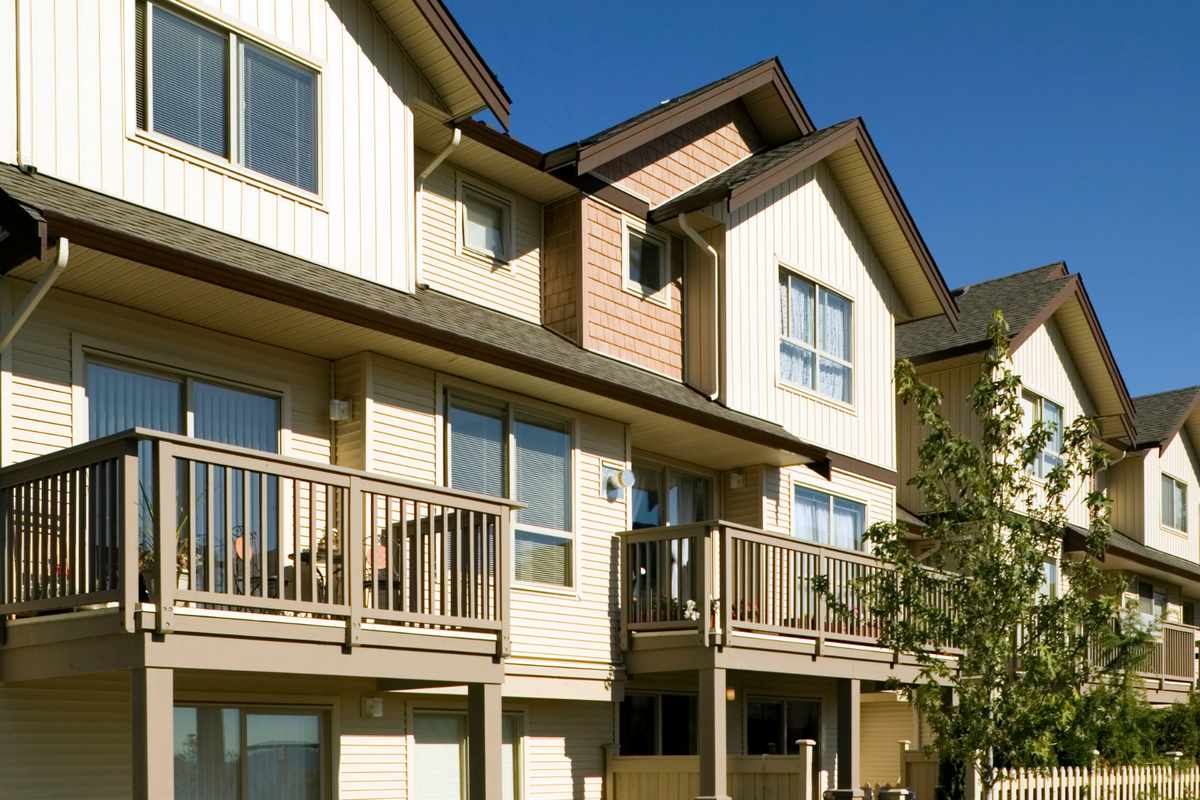
Balcony Inspection Requirements in California
Why Balcony Inspections Are Now Mandatory in California
Balconies, decks, and exterior walkways are more than just architectural features; they’re elevated structures that carry weight, weather exposure, and risk. In California, where wood-framed multi-family housing is common, these elements can quietly degrade over time without obvious signs, until something goes wrong.
In 2015, a tragic balcony collapse in Berkeley claimed six lives and injured seven more. The cause was dry rot, decay that went unnoticed until the structure failed. That incident sparked a serious reassessment of how California regulates elevated exterior elements in residential buildings.
Lawmakers responded with two major pieces of legislation: SB 721 for apartments and rental housing, and SB 326 for condos and HOA communities. These laws don’t just suggest inspections; they require them on a recurring basis. Their goal is simple: prevent the next tragedy by ensuring that elevated structures are safe, sound, and regularly reviewed by qualified professionals.
For property owners, HOAs, and managers, this shift means moving from reactive maintenance to proactive compliance. It’s no longer enough to fix what breaks. Now, you’re expected to verify that these structures are safe, on a schedule, with formal documentation, and under the oversight of state law.
This isn’t just about avoiding fines or checking a box. It’s about reducing liability, protecting residents, and maintaining the long-term value of your buildings. In a market where safety, transparency, and trust are increasingly non-negotiable, staying compliant with California’s balcony inspection requirements has become part of being a responsible owner or manager.
Which Properties Are Affected?
Not every building in California is subject to balcony inspection laws, but if you own, manage, or sit on the board of a multi-family property, there’s a good chance the rules apply to you.
The state draws a clear distinction between rental housing and condominium communities, assigning different regulations to each. Here’s how it breaks down:
Apartment Buildings and Rental Properties (SB 721)
If your property has three or more residential units and includes elevated structures made of wood or wood-based materials, like balconies, stairs, landings, or walkways, it likely falls under Senate Bill 721. This law primarily targets non-HOA, income-generating buildings where landlords are responsible for structural upkeep. Duplexes, single-family homes, and commercial-only buildings are generally exempt.
Condos and HOAs (SB 326)
In contrast, SB 326 applies to common interest developments, condo buildings managed by homeowners’ associations. If those buildings include balconies or decks that are exclusively used by one unit but maintained by the HOA, then inspections are required, even if only a portion of the structure qualifies.
What Matters More Than the Building Type
More than the label “apartment” or “condo,” what determines your obligation is the presence of elevated elements that:
● Are six feet or more above ground
● Are exposed to weather
● Are supported by wood or wood-like materials
● Are designed for human use, meaning people walk, stand, or store things on them
If your building checks those boxes, you’re likely within scope, and that means inspection deadlines and documentation requirements are on your radar.
When in Doubt, Confirm
We often hear from owners who aren’t sure whether their properties are subject to the law, especially in mixed-use or hybrid housing scenarios. When that happens, the safest move is to get clarity early. Waiting until the deadline approaches can leave you with fewer options, tighter schedules, and avoidable stress.
What Counts as a “Balcony” Under the Law
When people hear “balcony inspection,” it’s easy to picture a small deck jutting off an upper-story apartment, but California’s inspection laws go far beyond that narrow definition. In
fact, the term “balcony” is shorthand for a much broader category of structures referred to legally as Exterior Elevated Elements (EEEs).
So, what actually qualifies?
The Structures Covered
Both SB 721 and SB 326 require inspections of EEEs that meet all of the following criteria:
● They are six feet or more above ground level
● They are designed for human use (e.g., walking, standing, gathering, or storage)
● They rely in whole or in part on wood or wood-based materials for structural support
● They are exposed to the elements, meaning they’re outdoors or subject to moisture
That means the following are commonly included:
● Private balconies
● Common area decks
● Exterior staircases
● Walkways or corridors with wood support framing
● Landings and platforms between floors or units
In short, if it’s elevated, exposed, and made of wood, even partially, it’s probably in scope.
Not Always Obvious
Some of the structures that require inspection might not immediately stand out as “balconies.” For example, a narrow outdoor walkway leading to multiple units or a third-floor stair landing might fly under the radar, until you realize it qualifies under the law. Even covered areas or those with waterproof coatings can fall under the requirement if the underlying support is wood.
What Doesn’t Count
Elements made entirely of concrete, steel, or non-combustible materials and those less than six feet off the ground are generally excluded, though mixed-material structures should still be evaluated carefully to confirm.
Understanding exactly what qualifies is a critical step toward compliance. It helps you avoid unnecessary inspections while ensuring you don’t overlook something the law does require.
What Inspectors Are Looking For
Balcony inspections in California aren’t just a box to check, they’re technical evaluations rooted in safety, designed to catch structural issues before they become dangerous or expensive. Understanding what inspectors are actually assessing can help you prepare, manage expectations, and avoid unnecessary surprises.
The Core Focus: Structural Safety
At the heart of every inspection is one simple question: Is this structure safe to use? To answer that, inspectors examine the integrity of any exterior elevated element (EEE) that fits the law’s criteria, such as balconies, decks, stairways, and walkways supported by wood.
Inspectors are trained to evaluate:
● Visible damage like sagging, warping, or cracking
● Water intrusion points, especially around flashing and joints
● Signs of rot or decay in wood or wood-based materials
● Loose or deteriorating railings, bolts, or fasteners
● Compromised waterproofing systems (e.g., worn coatings, membrane failure)
● Load-bearing capacity based on the current structural condition
These findings determine whether a structure passes inspection, requires maintenance, or poses an immediate hazard that needs urgent repair or restricted access.
Tools and Techniques
While every inspection must meet the law’s requirements, how inspectors reach their conclusions can vary based on training, tools, and methodology. Many use:
● Visual assessments for surface-level damage
● Moisture meters to detect hidden water intrusion
● Borescopes or small access scopes for minimally invasive internal checks
● Infrared imaging to spot temperature changes that suggest moisture buildup
Some inspectors perform non-destructive testing exclusively, while others may use small drill holes to verify internal conditions, though this is not required by law and may not be necessary for every inspection.
It’s Not Just About Pass or Fail
A balcony inspection isn’t limited to a binary outcome. Even if a structure doesn’t require repair, you’ll often receive maintenance recommendations that can help extend its life and prevent costly issues down the line. That’s part of why this process can be so valuable; it’s not just about checking compliance but understanding how to care for what supports your building’s value.
Who Is Legally Allowed to Perform Balcony Inspections
Not all inspectors are created equal, and under California law, not all are qualified to perform the inspections required by SB 721 or SB 326. Choosing the right professional isn’t just a matter of
cost or convenience. It’s about compliance, credibility, and making sure your report holds up if it’s ever challenged by a regulator, buyer, or insurance provider.
Different Laws, Different Requirements
The qualifications required vary slightly depending on which law applies to your property:
For rental properties (SB 721):
You have a few options. Inspectors may be:
● A licensed General Contractor with an A, B, or C-5 classification and 5+ years of experience
● A licensed Architect, Structural Engineer, or Civil Engineer
● A Building Inspector or Building Official certified by a recognized body (e.g., ICC)
For condos and HOAs (SB 326):
The rules are narrower. Only a licensed Architect or Structural Engineer can perform these inspections. This reflects the longer timeline between inspections (every nine years) and the technical complexity often involved in assessing shared structural components.
Experience Matters
While the law outlines minimum qualifications, it doesn’t guarantee quality or consistency. That’s where experience in multifamily housing and specific knowledge of EEEs really matter. An inspector might be licensed but unfamiliar with the nuances of waterproofing failure, long-term wood decay, or how to document findings for legal and HOA recordkeeping.
A qualified inspector should not only meet state licensing requirements but also:
● Be independent from any repair services
● Use methods that balance thoroughness with minimal disruption
● Deliver clear, actionable reports that align with what lenders, HOAs, and local jurisdictions expect
Why This Isn’t the Place to Cut Corners
It might be tempting to go with the lowest-cost provider or someone who says they can “do it all”, but if the inspector doesn’t meet legal standards, your report may not hold up. That could mean restarting the process, delaying compliance, or risking fines. Worse, it could mean missing something serious.
When in doubt, verify licensing, ask about prior experience with SB 721 or SB 326, and confirm whether the inspector performs repairs (if they do, be aware of the potential conflict of interest).
What Happens After the Inspection
Once the inspection is complete, the next steps can vary, but they’re just as important as the inspection itself. Whether your building passes with flying colors or needs some follow-up, how
the process is documented and acted on can affect everything from compliance to resale value to resident peace of mind.
You’ll Receive a Formal Report
After the site visit, your inspector is required to deliver a written report. This document isn’t just a checklist; it’s the official record of your compliance and often includes:
● A summary of which elements were inspected and why
● High-resolution photos of each area examined
● Notes on any visible damage, wear, or structural issues
● Maintenance recommendations, even for components that passed
● A pass/fail designation or clear indication of next steps
● For HOAs: a version formatted for integration into your reserve study (SB 326)
You should keep this report on file for at least two inspection cycles (that’s 12 years under SB 721 and 18 years under SB 326). It’s not just useful, it’s required, and you may be asked to provide it during a property sale, audit, or refinancing.
If Repairs Are Needed
If the inspection uncovers a safety concern, the next steps depend on the severity:
● Immediate hazards (like structural failure or unsafe railings) must be addressed right away. Access to the area may need to be restricted until repairs are made.
● Non-urgent issues typically require action within specific timeframes: applying for a permit within 120 days, then completing repairs within another 120 days after approval.
Importantly, repairs must be handled by a licensed contractor, not the inspection provider, to avoid conflicts of interest. Once repairs are completed, you’ll usually need to document that work and, in some cases, schedule a re-inspection.
Staying Ahead of the Curve
Even if everything looks good, it’s worth reviewing the report closely. A clean bill of health today doesn’t mean you can forget about it for the next six or nine years. Minor issues or early signs of wear may be opportunities to budget for maintenance or schedule preventive work before it becomes urgent.
Understanding what happens post-inspection helps you turn a regulatory requirement into a longer-term plan for safety, maintenance, and risk reduction.
Avoiding Costly Mistakes: Common Pitfalls to Watch For
Balcony inspection laws in California aren’t new, but navigating them for the first time can still feel overwhelming. Between tight deadlines, varied property types, and differing rules under SB
721 and SB 326, it’s easy to make assumptions that lead to delays, extra costs, or compliance issues down the line.
Here are a few common missteps we’ve seen building owners, managers, and HOAs run into, and how to stay clear of them.
1. Waiting Until the Last Minute
It’s understandable to want to prioritize more immediate concerns, especially if your building appears to be in good shape. But inspections take time to schedule, and qualified inspectors book up quickly, especially as state deadlines draw near. Waiting too long can mean higher costs, longer turnaround times, and fewer options if repairs are needed.
2. Assuming “No Obvious Damage” Means No Need to Inspect
Many serious issues, especially those involving water intrusion or dry rot, develop out of sight. Just because a balcony looks fine on the surface doesn’t mean it’s structurally sound underneath. These laws were created specifically to catch problems early, before there are warning signs.
3. Hiring the Wrong Kind of Inspector
Not every contractor or inspector meets the legal qualifications for SB 721 or SB 326. Even licensed professionals can fall short if they’re not familiar with the specific requirements. If the person conducting your inspection isn’t approved under the law, your report might not be valid.
4. Letting the Report Sit in a Folder
Once you’ve completed the inspection, the job isn’t necessarily done. Reports need to be shared with the right stakeholders, kept on file for future documentation, and, if any deficiencies were noted, acted upon in a timely manner. Ignoring a “non-urgent” repair today can turn it into a last-minute crisis later.
5. Overlooking Non-Balcony Structures
Some owners only think of front-facing balconies, but the law applies to all qualifying elevated structures, walkways, stairs, landings, and even shared decks. If you don’t account for all eligible elements, you may fall short of the minimum inspection coverage required by law.
How to Stay Compliant Without the Headache
Balcony inspections might be mandated by law, but the way you approach compliance can make a big difference in how disruptive or manageable it feels. Whether you’re overseeing a few units or an entire portfolio, staying ahead of the curve often comes down to setting up the right systems early.
Start with a Clear Internal Timeline
Compliance isn’t just about the inspection date. There’s scheduling, tenant notifications, access logistics, report review, and, if needed, permits and repairs. Building a simple internal timeline (ideally 6–12 months before your inspection deadline) gives you space to work through each phase without rushing.
Even if your next inspection cycle is years away, documenting your previous inspection date and setting a future reminder can save you from scrambling when the time comes around again.
Centralize Your Documentation
Inspection reports, follow-up records, correspondence with inspectors, and even access notices for tenants, keeping these organized in one place makes it easier to demonstrate compliance if requested by a buyer, insurer, or local agency. For HOAs, it also simplifies hand-offs between board members and property managers.
If your reserve study is due soon and you’re under SB 326, make sure your inspection report is integrated as required. That’s not just good practice, it’s part of the law.
Consider Portfolio-Wide Planning
For real estate firms, HOAs with multiple buildings, or property management companies with regional oversight, looking at inspections one building at a time can create more work than necessary. Instead, consider grouping properties by deadline or region and handling them together. This can streamline scheduling, improve consistency across reports, and even open up options for volume-based pricing.
Keep Communication Simple and Transparent
For tenants, owners, and board members who aren’t immersed in the inspection process, the concept can feel confusing or even concerning. Clear, proactive communication helps build trust. Explain what’s happening, when, and why. Let people know what to expect in terms of access, disruption (if any), and timeline. It helps reduce pushback and keeps things moving smoothly.
FAQ: Quick Answers to California Balcony Inspection Questions
Navigating inspection laws for elevated structures can be complicated, especially when you’re balancing deadlines, property responsibilities, and legal language. Here are straightforward answers to some of the most common questions property owners and managers ask.
Q: Do I need to inspect every balcony or just a sample?
A: Both SB 721 and SB 326 allow for a representative sample of elements to be inspected, usually around 15% of each type. However, inspectors are expected to choose units that offer a statistically valid overview, not just the easiest ones to access.
Q: What counts as an “Exterior Elevated Element”?
A: Any load-bearing feature six feet or more off the ground, made partially or fully of wood, and intended for human use. This includes balconies, decks, stairs, landings, catwalks, and certain walkways.
Q: Are interior balconies or hallways included?
A: Typically no, unless they meet the same criteria (elevated, wooden support, exposed to weather). Interior or concrete-only elements are usually exempt, but borderline cases should be confirmed by a qualified inspector.
Q: What happens if my building fails the inspection?
A: It depends on the severity. Immediate hazards must be addressed right away, often with restricted access. Less urgent issues require that you apply for a permit within 120 days, and complete repairs within another 120 days after that.
Q: Can my contractor perform the inspection and the repairs?
A: Under both laws, the same entity should not perform both. This separation helps eliminate conflicts of interest and ensures your inspection is unbiased and legally compliant.
Q: What if my building was recently constructed?
A: Newer buildings may have more time before their first inspection. For SB 326, the timeline starts six years from the issuance of the certificate of occupancy. SB 721 properties may still need to comply earlier, depending on local interpretation.
Q: Is there a fine for missing the deadline?
A: Yes. Owners can face $100–$500 per day in penalties for noncompliance. Some cities may also issue safety liens or restrict permitting until inspections are complete.
Q: Do I need to submit the report to the city?
A: Usually, you don’t need to submit it proactively, but you must be able to provide it upon request. However, if an immediate safety issue is found, inspectors are required to notify local authorities.
Q: Do I need to repeat this every year?
A: No. Inspections are cyclical:
● Every 6 years for SB 721 (rental buildings)
● Every 9 years for SB 326 (condos/HOAs)
Q: Where should I store my report?
A: Keep it in a place where it’s accessible to your management team, HOA board, or legal representatives. You’ll need it for future inspections, real estate transactions, and reserve study updates.
Clear answers make the process easier, especially when the stakes involve both safety and legal compliance. If you have questions beyond these, it’s worth reaching out to a qualified professional who understands both the letter of the law and the realities of multifamily property management.